Exporting Shelf-Stable Foods from Australia to China
Project Summary
Shelf-stable food export requires the English source record, Chinese product description, label artwork, ingredient and allergen information, nutrition data, supplier documents, and importer filing to remain consistent. XYX helped organise that information and coordinate comments. Final classification, label acceptance, registration, import approval, and customs outcomes remained with the responsible parties and authorities.
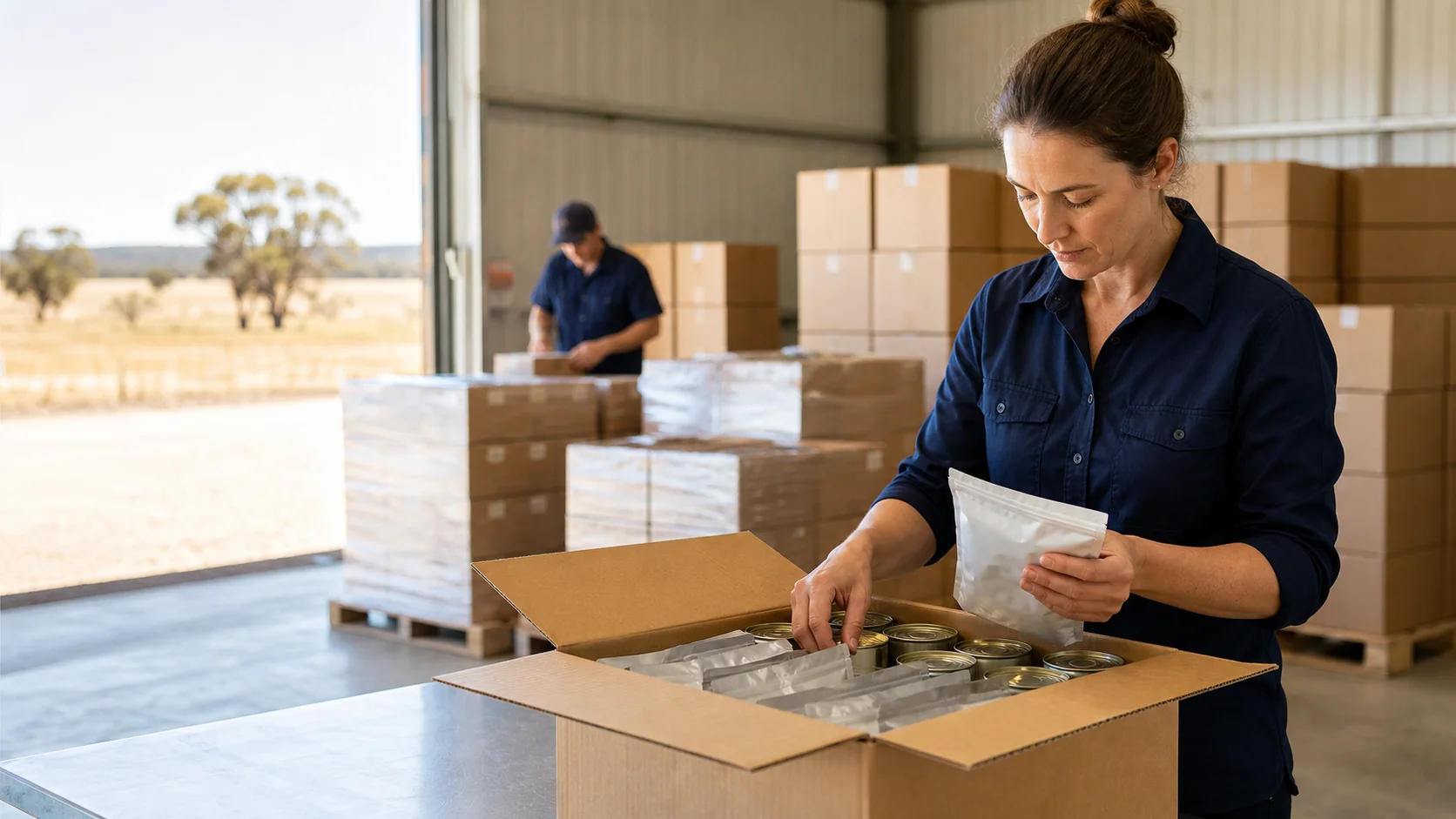
Presented at a high level to protect commercial confidentiality. Names and sensitive terms are omitted; page imagery is illustrative rather than documentary evidence.
Client
Australian shelf-stable food supplier; identity withheld for commercial confidentiality.
Timeline
Readiness work completed in stages; launch and shipment timing remained subject to importer and authority review.
SKU
Master-data baseline
Label
Review questions recorded
Challenge
Source-data quality
Product name, ingredients, allergens, nutrition data, pack size, manufacturer, and origin information needed one controlled source.
Label adaptation
Translation, mandatory fields, claims, layout, and importer information required separate review and ownership.
Importer responsibilities
The importer’s filing, customs, warehousing, and distribution responsibilities needed to be clear before artwork and production lock.
Shipment readiness
Commercial, product, batch, and transport documents needed a consignment-level checklist.
Solution
The project used one controlled product record and a responsibility checklist rather than promising a universal export package.
- 1
Create the bilingual product record
Source-pack facts, supplier documents, proposed Chinese terminology, and unresolved questions were kept in one controlled worksheet.
- 2
Coordinate label questions
The responsible importer and qualified advisers received the product data and artwork questions needed for their review.
- 3
Map registration and document ownership
The checklist identified what the producer, exporter, importer, and external service providers were each expected to supply.
- 4
Prepare the shipment checklist
Available commercial, product, batch, and logistics information was organised for the appointed freight and customs providers.
Project Outputs
Master
Product record
The bilingual source facts were kept in one controlled place.
Label
Questions logged
Artwork comments and responsible reviewers were recorded before print decisions.
Roles
Ownership mapped
Producer, exporter, importer, and provider tasks were separated.
Ready
Shipment checklist
Available information was organised for specialist review and handover.
Key Takeaways
- Insight 1
A translated label is not the same thing as an approved label.
- Insight 2
Pack facts, artwork, importer records, and shipment documents should use consistent product identifiers.
- Insight 3
Regulatory and customs outcomes cannot be guaranteed by a trade coordinator.
Related service
Bulk Export to China
Product-data coordination, specialist handover, and bilingual export-project records.
Ready to Start?
Share the product, market or trade requirement. We will review it and respond with practical next steps.